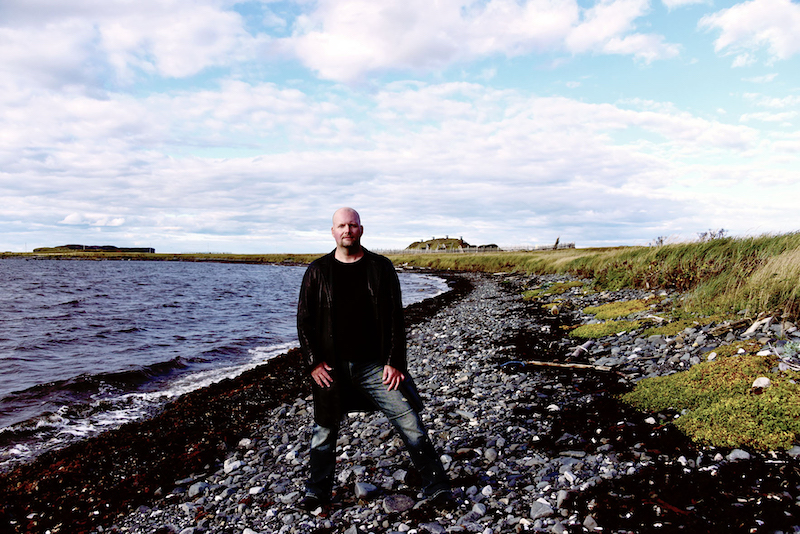
Il progetto SIG:AR:TYR arriva al quinto disco in studio, ben otto anni dopo l’ottimo Northen. Il nuovo Citadel Of Stars rappresenta un gran bel rientro nella scena folk viking metal per Daemonskal e l’occasione giusta per poterlo intervistare per parlare dell’ultimo cd, ma anche – tra le altre cose – della scena canadese, dei libri letti e della saga Elric di Michael Moorcock in chiave black metal.
– SCROLL DOWN FOR ENGLISH VERSION! –
UN GRANDE RINGRAZIAMENTO A MARZIA VETTORATO PER LA TRADUZIONE DELL’INTERVISTA.
Ben otto anni dal precedente Northen: perché così tanto tempo tra i due lavori?
Ho attraversato un periodo di alcuni anni in cui non sapevo cosa avrei voluto fare dopo. A un certo punto sono arrivato a pensare di chiudere definitivamente il progetto SIG:AR:TYR e ricominciare con qualcosa di nuovo, in un’altra direzione. Ho avuto molte idee per vari stili musicali, ma nulla si stava realmente concretizzando in maniera significativa. Un giorno, ho iniziato a passare in rassegna il catalogo dei miei lavori precedenti, e si può dire che sia stato “re-ispirato” da ciò che in primo luogo mi ha ispirato per i SIG:AR:TYR, all’inizio. Volevo tornare al sound atmosferico, dopo il metal estremamente “diretto” di Northen; volevo riportare indietro i synth e aggiungere ancora più chitarre acustiche. Ovviamente, non desideravo tornare indietro nel tempo, ma volevo andare avanti, catturare di nuovo una certa atmosfera e spingerla in una nuova direzione.
Prima di iniziare a parlare del nuovo disco ti chiedo delucidazioni sulla formazione della band: ero rimasto a un gruppo vero e proprio – e infatti per Northen vari musicisti avevano preso parte alle registrazioni, mentre per Citadel Of Stars la tua etichetta ha scritto che hai fatto tutto da solo mentre su internet i dati risultano essere diversi. Ci spieghi come stanno le cose?
Sì, Citadel Of Stars è stato realizzato interamente da me. Intorno al 2012, alcuni anni dopo l’uscita di Godsaga, alcuni amici provenienti da band locali (Battlesoul e Vesperia) mi hanno aiutato a mettere insieme una line-up per alcuni live tra il 2012 e il 2013. Mi hanno anche dato una mano con le registrazioni di Northen, nel 2015. Dopo l’uscita dell’album, come ti ho detto, ho impiegato molto tempo a capire in quale direzione volessi andare. Nel momento in cui ho davvero iniziato a mettere insieme le idee, tra il 2018 e il 2019, siamo diventati geograficamente distanti, vivendo in luoghi diversi, e poi nel 2020 è arrivata la pandemia. Allora, ho deciso di procedere da solo, come per i miei album più datati. Il mio ritorno alle origini, e al flusso di lavoro che mi aveva portato al successo, è stato in parte dovuto a circostanze esterne, e in parte a un mio conflitto artistico interiore.
Con Citadel Of Stars hai tirato fuori non solo il miglior disco dei SIG:AR:TYR, ma anche uno dei migliori dischi del 2024. Quali erano le tue sensazioni mentre i lavori del disco procedevano? Ti sembrava di avere tra le mani delle grandi canzoni?
Beh grazie, mi fa molto piacere! Ogni artista desidera migliorare ciò che ha fatto in precedenza, e cercare di coprire nuovi campi. Ero quasi al termine delle registrazioni, e si stava avvicinando il ventesimo anniversario dei SIG:AR:TYR, nel 2023: ho sentito davvero di essere stato ispirato da tutti i miei album, e di aver inserito un po’ di ognuno di essi nel prodotto finale. Speravo di poter trarre il meglio da tutto ciò che ho fatto, portarlo a un altro livello e metterlo insieme nella maniera migliore.
Prima e ultima canzone durano oltre dieci minuti l’una: c’è un motivo particolare per questa scelta o era semplicemente la migliore scaletta per il disco?
È stato tutto molto naturale. La prima traccia, Awaiting The Last Dawn, in realtà è nata come uno strumentale che avrebbe dovuto fungere da intro dell’album, e nel tempo si è trasformata fino ad avere un testo e alcune parti aggiunte: prima che me ne rendessi conto, era già lunga 10 minuti! Ma il modo in cui si dipana nelle varie sezioni, secondo me, la fa sembrare più breve. Per quanto riguarda il brano finale, Where The Sun Never Sets, sapevo già che sarebbe stato lungo per via dell’andamento lento in marcia, ma nonostante ciò non mi aspettavo che anch’essa sarebbe arrivata a 10 minuti. Alla fine, i brani sono diventati un modo per mettere l’ascoltatore a proprio agio nell’album, e condurli fino al suo finale amaro.
Un paio di brani sono strumentali e li ho apprezzati davvero tanto. Non sono i classici “intermezzo” che spesso sono poco più di riempitivi, ma momenti nei quali tu doni emozioni all’ascoltatore. Come sono nati questi due momenti e qual era il tuo obiettivo quando stavi componendo le canzoni?
Ci sono dei brani strumentali in tutti i miei album eccetto Northen, in cui ho scelto apertamente di non inserirne, semplicemente perché non volevo ripetermi in confronto con i lavori precedenti. Inoltre, ero molto orgoglioso degli strumentali in Godsaga, ed ero consapevole che sarebbe stato difficile tentare di eguagliarli. Tuttavia, ne sentivo la mancanza, quindi sapevo di volerne inserire uno o due in Citadel Of Stars. Ma non ci si prefigge di comporre uno strumentale di proposito: essi nascono naturalmente, da un tema che si ha in mente, e solo se si sente che non ci sia bisogno di parole per trasmettere le emozioni che si vogliono esprimere. Nel 2018 ho perso il mio cane di 12 anni, il mio migliore amico, e tutti i sentimenti che ho provato in quel momento sono convogliati nel brano Who Will Guide Me Now. In senso più generale, il brano parla della perdita di una guida nella propria vita, chiunque essa sia. La title-track, Citadel Of Stars, è nata in maniera molto diversa. Desideravo dare il senso della vastità impenetrabile dello spazio, quando si viaggia tra le stelle. In realtà, è stata ispirata da una traccia composta dai Queen per la colonna sonora del film Flash Gordon del 1980: stanno viaggiando verso lo spazio, alcuni accordi limpidi accordi di chitarra vengono suonati, poi il brano esplode nei sintetizzatori anni ’70. Volevo catturare la stessa sensazione che ho provato io, teenager negli anni ’80, nell’ascoltare quel brano a ripetizione.
L’edizione fisica dell’album ha come bonus cd The Stranger, il demo del 2003 stampato originariamente in 100 copie. Ci tenevi a far conoscere i primi passi del tuo progetto? Hai avuto nel corso degli anni richieste da parte dei fan di ristampare il demo e ora grazie a Hammerheart Records si è presentata l’occasione?
Lo scorso anno cadeva il ventesimo anniversario dei SIG:AR:TYR, dall’uscita di The Stranger del 2003: volevo davvero ripubblicarlo attorno a quel periodo. Nel corso degli anni molte persone mi hanno chiesto se sarebbe mai stato dato alle stampe in una forma vera e propria, così è stato deciso di farlo uscire come bonus CD di Citadel Of Stars. Fa anche tornare indietro al mio conflitto interiore su come realizzare il nuovo album… sono dovuto tornare alla fonte di ispirazione e sul perché abbia deciso di iniziare questo percorso, in primo luogo, e poi mettermi nello stato d’animo che avevo quando ho realizzato The Stranger e i miei primi album. C’è un grande, magnifica ispirazione in quel demo, dagli Orion Awaits ai Beyond the Dying Sun, agli At The Gates, quindi credo che si abbini bene all’album, e ne sia un degno accompagnamento.
L’evoluzione di SIG:AR:TYR va avanti senza sosta, e al “classico” epic viking metal che da sempre ti contraddistingue, ultimamente hai dato maggior spazio alla tua vena più estrema. Si tratta di una mia impressione o è effettivamente così?
Sì, nel tempo SIG:AR:TYR è diventato più estremo e forte, ma anche in giustapposizione con momenti più leggeri e atmosferici, e ciò aiuta la dinamicità dell’album. Citadel Of Stars sembra aver incorporato questo contrasto ancora più che in passato. Ma cerco con tutte le mie forze di far combaciare tutto il più naturalmente possibile. Agli inizi, anche al tempo dell’uscita di The Stranger, ho sempre affermato che il mio sound è “Bathory-meets-Yngwie-meets-Burzum”, e spero che sia ancora vero! È più questione di atmosfera, di cercare di portare l’ascoltatore in un luogo e in un momento differenti, piuttosto che una questione di come sia “pesante” o “leggera”. Cerco di mantenere i blastbeat al minimo, più come una punteggiatura in alcune parti, un climax, piuttosto che farli proseguire lungo tutto il brano. Mi piace anche che le chitarre siano, in mancanza di un termine adatto…”gelide”? Come quelle degli Immortal, ma con un sound più classico. Dico sempre che è sempre metal classico, con un mantello black metal addosso. Probabilmente la mia è la band sulla piazza con il sound black metal meno estremo, ma va bene così.
Intorno al 2010 la scena folk/viking metal canadese era ricca di realtà underground che sembravano dover esplodere da un momento all’altro, conquistando il vecchio continente a suon di buoni album. Le cose, però, sono andate in maniera diversa e in pochi sono riusciti a farsi notare dal grande pubblico. Hai una risposta al perché non ci sia stato un solo gruppo capace di conquistare l’Europa pur avendo la bravura per farlo?
Non sono mai stato una band che va in tour, ma posso immaginare che non sia facile per una band canadese avere il tempo e i fondi necessari per organizzare un tour in Europa dove potrebbero avere maggiore visibilità, con la possibilità di visitare molti paesi in poco tempo, i festival estivi ecc. Credo che questo sia il fattore principale. Ho anche l’impressione che le band nordamericane potrebbero non essere percepite sotto la stessa luce di band europee più esperte. Sto facendo un’affermazione generale, è la scena europea ad essere più seria rispetto a quella che abbiamo qui. La cosa è leggermente diversa in Quebèc, dove la scena è più simile a quella europea di quanto lo sia nel resto del Canada.
Continuando a parlare del Canada, ci sono band che segui, sia nel folk/viking che negli altri generi?
Meno di quanto facessi in passato, dato che la maggior parte degli show si svolgono a Toronto e io non vivo più abbastanza vicino da poter partecipare a più concerti. Nei primi anni in cui ero solo uno spettatore, c’erano i Woods Of Ypres e i Dark Forest, poi band locali come Battlesoul, Vesperia, Crimson Shadows, Primalfrost, Unbowed, Hexenklad; ho iniziato ascoltando gli Arctos, ma ci sono molti altri che probabilmente ho dimenticato. Molta gente piena di talento.
Come ti sei avvicinato alla musica? Quali sono stati i gruppi/musicisti che hanno fatto sì che imbracciassi la chitarra?
Ero un adolescente degli anni ‘80, quindi tutto è iniziato con i classici del metal: Iron Maiden, Dio, Judas Priest, Black Sabbath, King Diamond. Poi, ho iniziato ad appassionarmi ai grandi chitarristi: Yngwie Malmsteen, Randy Rhoads, Jake E Lee, Warren Demartini, Criss Oliva, Andy LaRocque, Rik Emmett. Ero anche appassionato del primo power metal come quello degli Helloween, e del doom dei Candlemass. A quei tempi facevo lo scemo alla chitarra e alla batteria con gli amici, ma non ne usciva nulla di serio. Avevo composto dei riff e delle melodie per conto mio, ma non ho mai utilizzato nulla…con un’eccezione. Nel brano Beyond The Dying Sun, presente sul mio demo, le parti armoniche di chitarra provengono da una canzone in stile power metal che tentai di scrivere nei tardi anni ‘80! Tra la fine degli anni ‘80 e l’inizio degli anni ‘90 ho iniziato ad appassionarmi a musica più estrema, come il death metal di Deicide, Entombed, Morbid Angel e Tiamat; sono abbastanza sicuro di aver preso Hammerheart dei Bathory in quel periodo, sebbene i loro lavori precedenti non mi fossero piaciuti. Ero stupefatto di quanto fosse lento ed epico, in confronto alle cose estreme di quel periodo. Gli Entombed sono stati l’apripista per tutte le band che hanno registrato ai Sunlight Studios. Presi Soulside Journey dei Darkthrone solo per quel motivo, senza conoscere nulla della band. Poi, intorno al ‘93-’94 ho iniziato a sentir parlare di tutti i gruppi black metal e della loro notorietà, e ho preso il successivo lavoro dei Darkthrone, A Blaze In The Northern Sky: ho pensato “Che diavolo è questo, cosa è successo dopo Soulside Journey?” Inizialmente non avevo realizzato, ma poi ho preso il primo album degli Immortal, poi quello degli Emperor, e sono andato fuori di testa! Per me tutto è nuovamente cambiato quando ho ascoltato Hyvis Lyset Tar Oss di Burzum. Era così diverso e atmosferico rispetto a tutto ciò che c’era all’epoca. Per me è fondamentale tanto quanto Hammerheart, per questo motivo. Nei tardi anni ‘90 ho più o meno abbandonato la musica per un po’; ciò che ha riacceso il mio interesse è stato ascoltare i Primordial nei primi anni 2000, li ho amati e mi hanno spinto a riprendere in mano la chitarra e fare qualcosa seriamente, una volta per tutte. Il mio primo tentativo è stato The Stranger, nel 2003.
Quali sono, oggi, i gruppi che ascolti con maggior piacere?
Ho ascoltato tantissimo il nuovo album di Bruce Dickinson, lo seguo dal suo primo album solista. Sto ancora ascoltando a ripetizione anche How It Ends, l’ultimo lavoro dei Primordial, e mi è piaciuto molto anche l’ultimo album dei Thulcandra. Tendo a perdermi molta nuova musica mentre sto lavorando a un nuovo album, quindi sto cercando di recuperare. Per esempio, proprio mentre sto scrivendo, sto ascoltando per la prima volta Silver Sash, l’album del 2022 dei Woven’s Hand.
Cosa vorresti per il futuro dei SIG:AR:TYR: un tour mondiale di spalla a un big, vedere i tuoi vecchi album stampati in vinile, altri trenta anni di carriera… insomma, quali gli obiettivi e i sogni del tuo progetto?
Come prossimo passo, sarebbe fantastico vedere i miei vecchi lavori ristampati in vinile. Tuttavia, dato che si tratta di album lunghi che richiederebbero 2 LP, può essere costoso, quindi è difficile dire se accadrà: dipenderà da come andrà Citadel Of Stars. La maggior parte dei vecchi CD è fuori stampa, tranne alcune copie che posseggo io stesso, quindi ad un certo punto potrebbero essere ristampati. Per quanto riguarda il suonare live, non mi sono mai visto come una band che va in tour, quindi non credo che accadrà tanto presto. Se riuscirò a trovare del tempo con i compagni che mi hanno aiutato nei live in passato, sarebbe carino fare alcuni show speciali qua e là. Mi piacerebbe realizzare almeno un altro nuovo album prima di dire che l’avventura è finita. Comunque, potrebbero volerci ancora svariati anni prima che accada. Lo faccio nel mio tempo libero, quando ne ho, ma sono molto felice di aver pubblicato tutta la musica che ho realizzato nel corso degli anni.
Quale libro hai sul comodino? Ultimo film (o serie) che ti è piaciuto molto?
L’ultimo libro che ho terminato è Meditazioni di Marco Aurelio, che non avevo mai letto prima. Per il prossimo, con tutta probabilità resterò sul mondo antico, e sto per iniziare l’Odissea. Riguardo ai film e alla TV, non mi hanno colpito molte cose, ma credo che alcuni dei film più recenti sulla Seconda Guerra Mondiale, come Darkest Hour e Dunkirk, siano molto ben fatti e abbiano riportato alla vita quel momento storico. La serie Vikings è stata valida nelle stagioni centrali, non ho guardato le più recenti.
Anche se il nuovo album è uscito da pochi mesi hai già idea su quelli che saranno i prossimi passi dei SIG:AR:TYR?
In realtà non sono sicuro di ciò su cui vorrei lavorare dopo. Da tempo desidero realizzare una sorta di album incentrato sui temi della saga Elric di Michael Moorcock, e ho alcune idee. Molte band se ne sono già occupate, come Hawkwind, Blue Oyster Cult, Cirith Ungol eccetera, ma il mio album sarà più black metal. Non credo che avrebbe qualcosa a che fare con i SIG:AR:TYR, e sarebbe sotto un altro nome. Ci vorranno probabilmente altri anni prima di vedere un altro album dei SIG:AR:TYR, ma mai dire mai! Come ho già detto, penso di averlo dentro di me!
Ti ringrazio per questa chiacchierata e rinnovo i complimenti per Citadel Of Stars! Può dire/aggiungere tutto quello che vuoi!
Grazie per le tue belle parole sull’album, e grazie per l’intervista. Sono stato davvero felice di aver pubblicato Citadel Of Stars dopo tutto il tormento e il lavoro dietro alla sua creazione, è la reazione è stata molto positiva. Sono lieto che tutti possano trovarci il proprio significato, così come è stato per me.

ENGLISH VERSION:
It’s been 8 years since your previous work, Northen: how come so much time passed between the two albums?
I went through a few years of not knowing what I wanted to do next. At some point I even wanted to end SIG:AR:TYRaltogether and start something new in a different direction. I had a lot of ideas for different styles of music, but nothing was really coming together in a meaningful way. One day, I started going through my back catalog of albums, and you could say I was “re-inspired” by what inspired me to start SIG:AR:TYR in the first place. I wanted to get back to the atmospheric type of sound after the very straight-ahead metal style of Northen. I wanted the synths back, and also wanted more of the acoustic guitars back. Obviously I didn’t want to go back in time, but keep pushing forward, I just wanted to recapture a certain atmosphere and move it forward in a different way.
Before starting to talk about the new full-length, I would like to ask you something about the line-up: I thought there was still a real band – when you recorded Northen, various musicians took part in the process – but this time your label wrote that Citadel Of Stars is a work you entirely did on your own. On the other hand, Internet shows different data. Would you like to clarify this point?
Yes Citadel Of Stars is all me. Around 2012, a few years after the release of Godsaga, some friends from local bands (Battlesoul and Vesperia) helped me put together a live lineup to play some shows in 2012-2013. They also helped me with the recording of Northen around 2015. After Northen album was released, as I mentioned, it took me a long time to figure out the direction I wanted to go. By the time I really started putting my ideas together around 2018/19 and doing some early recording, we had all become geographically distant and living in different places, and then the pandemic hit in 2020. It was then I decided I was just going to go it alone just like my older albums. So it was part external circumstances, and part internal artistic struggle within my self to get back to my roots and the workflow I had always has success with before.
With Citadel Of Stars, you made not only the best SIG:AR:TYR album, but also one of the best full-lengths of 2024. What about your feelings while the work was going on? Did you think about having some great songs in your hands?
Well thank you, I appreciate that! Every artist wants to improve on what they did before and try to cover some new ground. As I was near the end of the recording process and approaching the 20th anniversary of SIG:AR:TYR in 2023, it did feel like I was inspired by all my different albums and eras, and mixing a bit of each into the final product. I was hoping I could take the best of everything I’ve done, take it up another notch, and try to bring it all together in a meaningful way as a whole.
The first and the last track last more than 10 minutes each: is there a particular reason behind this choice, or was it just the best setting for the tracklist?
It just came about naturally that way. The first song, Awaiting The Last Dawn, actually started out as an instrumental to be an intro to the album, and it morphed over time into having lyrics and more parts to it, and before I knew it, it was 10 minutes long! But the way it flows in sections it sounds shorter (to me). The final song, Where The Sun Never Sets, I knew it was going to be a long one just due to the slow marching pace, but even then I didn’t expect that one to go 10 minutes either. But in the end, they turned into an appropriate way to ease the listener into the album, and take them away to the final bitter ending.
There are two instrumental tracks, and I really appreciated them. They are not just two classic “intermezzo”, which are often used to fill the space between one song and another: they are moments when you give emotions to the listener. How did you create these special moments? What was your main goal during the composition process?
I have instrumentals on all my albums except for Northen, where I actually made a deliberate decision not to have them, just because I didn’t want to keep repeating myself from albums past. Also, I was really proud of the instrumentals on Godsaga, and I knew it was going to be difficult to try and top them. But I did miss them so I knew I wanted to do one or two for Citadel Of Stars. But you don’t really set out to write an instrumental on purpose, they just happen naturally based on a theme in your mind, and if you really feel that you don’t even need words to convey the emotions you want to express. In 2018, I lost my dog of 12 years, my best friend, and all the feelings I went through during that time came out in the song Who Will Guide Me Now. In a more general sense it about losing a guide in your life, whomever that might be. The title track Citadel Of Stars came about very differently. I wanted to have a sense of the impenetrable vastness of space as you journey to the stars. It was actually inspired by a track on the 1980 movie soundtrack for Flash Gordon by Queen. They are rocketing off to space, and a few clean guitar chords are played, then the song goes off into 70’s synthesizer bliss. I just wanted to capture that same feeling as how that track made me feel as a pre-teenager in the 80’s playing this record over and over.
The physical edition of the album includes a bonus CD, The Stranger (the demo originally released in 2003, only in 100 copies). Did you want to let your audience know about the first steps of your project? Did fans ask you to repress the demo and you caught the opportunity, thanks to Hammerheart Records?
Last year was the 20th anniversary of SIG:AR:TYR since the release of The Stranger in 2003, I did want to to re-release it around the same time. A lot of people have asked me over the years if it could be ever released in proper form. and so it was decided to release it as a bonus CD to the Citadel Of Stars release. It also goes back to my internal struggle on how to make this new album happen… I had to go back to the well of inspiration of why I started it all in the first place and put myself in the frame of mind as I was when working on the The Stranger demo and early albums. There is a lot of stellar imagery on that demo, such as Orion Awaits, Beyond The Dying Sun, and At The Gates, so I think it matches well and makes a good companion to the album.
The evolution of SIG:AR:TYR is going on incessantly: besides the epic/viking metal that has always distinguished your style, it looks like you are giving more space to your “extreme side”. Is it just my thought, or is it really like that?
Yes, over time it’s definitely gotten more hard edged and extreme, but it’s always juxtaposed with lighter, atmospheric moments as well, and that helps the album dynamics. Citadel of Stars seems to have taken that contrast even further than before. But I try very hard to make it all fit together naturally. In the beginning, even at the time of the The Strangerrelease, I’ve always said that my sound is Bathory-meets-Yngwie-meets-Burzum, and hopefully that still holds true! It’s more about the atmosphere, trying to take a listener to a different time and place, rather than how heavy or light the music is. I try to keep blast-beats to a minimum, more as a punctuation to certain parts, a climax, rather than continuing throughout the whole song. I also like the guitars to be, for lack of a better term, “icy”? Kind of like Immortal, but more classic sounding. I always say it’s like classic metal with a black metal cloak on. I’m probably the least extreme sounding black metal band out there but that’s ok.
Around 2010, the Canadian folk/viking metal scene was full of underground bands which looked like they were on the point of gaining a lot of success on the international panorama, especially in Europe: they were supposed to conquer the Old Continent through a lot of good albums. Unfortunately, things have gone differently, and only a few bands managed to gain some popularity among the general audience. Do you have an explanation for this phenomenon? In your opinion, why almost none of those bands could gain popularity in Europe, despite their great potential?
I’ve never been a touring band, but I can imagine it’s not easy for a Canadian band to have the time and funds to organize a tour of Europe where they would get the most exposure there with so many countries you can visit in a short time, summer festivals and so on. So I think that’s the biggest factor. I also get the sense that North American bands might not be perceived in the same light as the more experienced European bands. I’m just saying that as a general statement, it’s just the scene in Europe is way more serious than it is here. It’s a bit different in Quebec where they have more of a European scene here than anywhere else in Canada.
Let’s keep talking a bit about Canada: do you follow some local bands, not just in the folk/viking scene but also in others?
Not as much as I used to, as most shows would take place in Toronto and I don’t live as close to there anymore to make it to more shows. From the earlier years when I was staring out there was Woods of Ypres, Dark Forest, then more bands local to me such as Battlesoul, Vesperia, Crimson Shadows, Primalfrost, Unbowed, Hexenklad, I just started listening to Arctos, many others I’ve probably forgot. A lot of talented people.
How did you get to music? Which bands/musicians inspired you to start playing the guitar?
I was an 80’s teenager, so it all started with the metal classics, Iron Maiden, Dio, Judas Priest, Black Sabbath, King Diamond, then I started getting into all the big guitarists, Yngwie Malmsteen, Randy Rhoads, Jake E Lee, Warren Demartini, Criss Oliva, Andy LaRocque, Rik Emmett. Was also big into early power metal like Helloween, and doom like Candlemass. I goofed around on guitar and drums with friends at the time but nothing serious every came out of it. I did write a few riffs and melodies on my own, but never used anything… but for once exception, on my demo, the song Beyond The Dying Sun, the harmony guitar parts were from a power metal type song I was trying to write in the late 80s! In the late 80’s/early 90’s I started getting into more extreme music, like death metal, Deicide, Entombed, Morbid Angel, Tiamat, pretty sure that’s about the time I got Bathory’s Hammerheart, even though I didn’t like his previous stuff, and was blown away by that just on how slow and epic it was compared to the extreme stuff of the time. Entombed was kind of a gateway to all the bands that recorded at Sunlight Studios. I even picked up Darkthrone’s Soulside Journey just on that fact alone without knowing anything about the band. Then around 93-94 I started hearing about all the black metal bands and the notoriety, I picked up the next Darkthone album Blaze In The Northen Sky, and I was like “What the hell is this, what happened since Soulside Journey?” I didn’t get it at first. But then I picked up Immortal’s first album, then Emperor, then off I went! It all changed again for me when I heard Burzum’s Hyvis Lyset Tar Oss. It was so different and atmospheric than anything else out there at the time. It’s as seminal as Hammerheart for me for the same reasons. In the late 90’s I kind of just dropped out of music completely for awhile. What sparked my interest again was hearing Primordial in the early 2000’s, I just loved it, and it inspired me to want to pick up the guitar and do something serious for once. So my first attempt was The Stranger in 2003.
What are your favourite bands at the moment? Which ones are you enjoying the most? (Regardless of nationality and genre)
I’ve been playing the new Bruce Dickinson a lot, I’ve followed him right from his first solo album. I’ve been still spinning the latest Primordial album How It Ends. I really liked the latest Thulcandra album. I tend to miss a lot of new music while I’m working on a new album so I’ve been kind of going back to catch things I’ve missed. For example, I’m listening to Woven Hand’s 2022 album Silver Sash for the first time right now as I’m writing this.
What do you wish for the future of SIG:AR:TYR? A world tour supporting a big artist, seeing your old works in vinyl version, having a long career (30 years longer!)… in short, what are the main goals and dreams around your project?
For a next step it would be great to see the older albums on vinyl. However, being all long albums that require 2 LPs, it can get expensive so it’s hard to say if it will happen or not depending on how well Citadel Of Stars does. Most of the old CDs are out of print now except for copies that I have, so they could use a re-release at some point. As for playing live, I’ve never seen myself as a touring band, so I don’t see that happening any time soon. If I’m able to get time with my bandmates who helped me play live before, it would be nice to play a few special shows here and there. I would love to have at least one more new album before I think about it calling it a day. It will probably take several years to see that happen though. I just do this in my spare time when I get it! But I’m very happy to have released all the music I have so far over the years.
What book is currently on your bedside table? What is the last film (or TV series) that you appreciated the most?
The last book I just completed was Marcus Aurelius “Meditations” which I had never read before. Next I’m probably staying on the ancient world theme, and I’m going to start The Odyssey. As for film/TV, not a lot has really stayed with me. But some of the recent WWII movies like Darkest Hour and Dunkirk I thought were really well done and brought that time in history alive. The show Vikings was really good in its middle years. I haven’t watched the recent ones.
Your last album was released a few months ago; nevertheless, do you already have any ideas about SIG:AR:TYR’s next steps?
I’m actually not sure what I want to work on next. I’ve been wanting to do a Michael Moorcock Elric-themed album of some sort and I have some ideas. It’s been covered by a lot of bands already like Hawkwind, Blue Oyster Cult, Cirith Ungol and so on, but mine will be more black metal-ish. I don’t think it will be anything to do with SIG:AR:TYR and have its own name. It will probably be some years before you ever see another SIG:AR:TYR album, but I’ll never say never. As I said earlier, I think I have one more album left in me!
Thank you very much for this chat; I renew my compliments about Citadel Of Stars. You can add or say whatever you want!
Thank you for the kind words about the album, and thank you for the interview. I was really glad to finally get Citadel Of Stars out there after all the struggle and work that went into its creation, and the reaction has been very positive. I’m glad everyone is able to find meaning in it for themselves as it did for me.
 Mister Folk
Lascia un commento