Nome tolkieniano, una storia che parte dal folk/black e approda al dark folk acustico. Nel mezzo anni di silenzio che hanno fatto sospettare lo split. Invece Alexandre Bouteiller torna con un EP a dir poco valido, profondo e di cuore, che farà breccia tra gli appassionati delle sonorità delicate ma decise. Basta chiacchiere, lasciamo spazio ad Alexander e alla sua creatura Moriquendi.
– SCROLL DOWN FOR ENGLISH VERSION! –
UN GRANDE RINGRAZIAMENTO A CHIARA COPPOLA PER LA TRADUZIONE DELL’INTERVISTA.
Se non sbaglio questa è la vostra prima intervista italiana, iniziamo quindi con la classica presentazione della band.
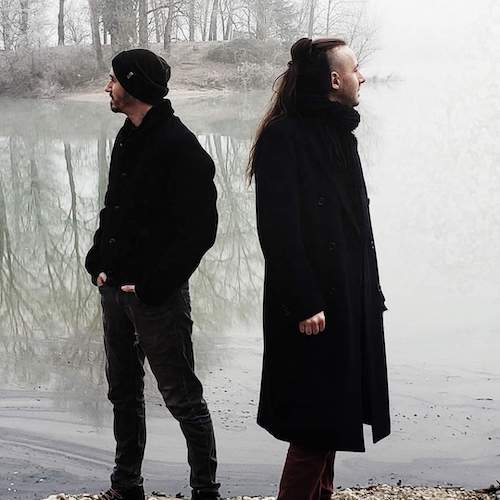
Ciao Fabrizio, infatti, questa è la nostra prima intervista italiana e non possiamo ringraziarti abbastanza per quest’opportunità. Noi siamo i Moriquendi, una band dark folk con base a Lione. Il nostro progetto deriva da un progetto solista creato da me stesso nel 2006. A quel tempo era un progetto black metal ispirato dal black metal old school e anche dalla scena folk metal. Ma con il tempo sono cambiati la mentalità e gli obiettivi e siamo passati al dark folk ambient che suoniamo ora. Siamo in due in questo progetto, Felix che suona violino, percussioni e molti altri arrangiamenti, e io, Alexandre Bouteiller, che suono la chitarra, canto e suono anche alcune percussioni.
Il vostro nome ha origine tolkieniana. Come siete arrivati alla scelta del nome e in cosa vi rappresenta?
Moriquendi nell’universo tolkieniano è il nome degli elfi della notte. Per spiegare molto semplicemente e rapidamente, nella genesi del mondo di Tolkien, gli elfi nacquero nella Terra di Mezzo e per varie ragioni si divisero in due popolazioni: quelli che si unirono a Valinor, le terre degli dei alla luce degli dei, gli elfi della luce, e quelli che hanno deciso di rimanere tra gli altri popoli come gli esseri umani, nella Terra di Mezzo, gli elfi della notte. Questo ricorda le nostre leggende europee che evocano questa presenza, nella nostra foresta, nelle montagne che hanno questa stessa divisione di popoli elfici. Ci piace la possibilità che le persone fatate siano solo nascoste, ma ti guardino. Inoltre, abbiamo scelto un nome ispirato all’universo di Tolkien per il cenno alle band degli anni ’90 ispirate allo stesso artista.
Siete partiti da una sorta di folk/black metal e ora suonate un dark folk molto emozionante. Riascoltate mai i vecchi lavori? Cosa provate quando lo fate?
All’inizio, i Moriquendi volevano essere un progetto black/folk, sì. Le possibilità tecniche alla nostra portata, a quel tempo, erano limitate e il suono ne soffriva le conseguenze. Ma alcuni pezzi avevano una sorta di potere che, credo, avrebbero meritato una produzione migliore e certamente avrebbero avuto una visione diversa dal pubblico. Ho un po’ di frustrazione nel non avere questi mezzi in questo momento. Ma ascoltando di nuovo ho nostalgia per questo tipo di composizione.
Nel 2016 avete pubblicato il full-length Kanopëa, lavoro molto particolare che ascolto ancora con piacere. Come mai ve ne siete usciti con un disco del genere, praticamente uno strumentale?
Kanopëa è il nostro primo tentativo di un album completo. Al momento della sua creazione, stavo lavorando con Rémi Pillon, che ha fatto molto per questo album. Le voci dovevano esserci, ma mentre passavamo del tempo in studio, non mi sentivo tecnicamente in grado di fare le voci su tutte le tracce. Quindi, abbiamo riarrangiato i pezzi per renderli strumentali tranne And Falls The Rain.
Il nuovo From Dephts To The Stars parla di morte e addii. Avete lo spazio per parlarne e raccontarci da dove è nata l’idea e come vi siete comportati per la composizione.
Molto spesso, l’ispirazione per la composizione, sia dei testi che della musica stessa, arriva con cose che accadono nella vita. È molto personale orientare i testi su questo tema e rendere la musica malinconica. From Depths To The Stars è stato composto con questo in mente. La struttura di questo EP è progettata per rappresentare tutte le fasi di una cerimonia funebre. Seguire (spiritualmente) i morti dalla loro casa sulla terra o sul fondo marino, fino a quando la loro anima vola ad Asgard, verso le stelle. La formazione è cambiata. Félix si è unito a me per creare questa nuova coppia. Questo mi ha permesso di porre fine all’universo metal solo per il folk.
Nuovo EP nuovo sound: come definite il vostro sound odierno?
Nuovo EP, nuovo sound e, soprattutto, nuovo inizio per noi. L’idea è principalmente quella di offrire della musica tra elementi tradizionali nordici e celtici con tocchi moderni. Il suono dei Moriquendi è a metà strada tra il grande suono cavernoso delle band folk nordiche e vichinghe e la musica irlandese e celtica molto ariosa nel suo complesso.
A volte nelle canzoni di From Dephts To The Stars si sente l’eco del folk ambient scandinavo, in particolare i Wardruna che, come visto sul web, vi hanno impressionato quando li avete visti in concerto. Sono loro il gruppo “guida” dei nuovi Moriquendi?
I Wardruna sono una band incredibile che si immerge in un universo estremamente potente. Einar Selvik ha una presenza scenica molto impressionante. È stato fantastico vederli dal vivo a Lione l’anno scorso. E per rispondere alla tua domanda, i background echo su una canzone non sono una novità nei Moriquendi. Lo abbiamo usato abbastanza spesso per aggiungere profondità su diverse canzoni. I Wardruna rimangono un’ispirazione, è vero. Ma potrei soprattutto citare Bathory (Quorthon) come un grande riferimento che ha usato anche questo tipo di suono. Per citare solo quelli, naturalmente.
Le chitarre di Nirnaeth e Savage Hunt sono ormai un ricordo. C’è possibilità di un loro nuovo utilizzo in futuro o possiamo dire che avete definitivamente chiuso con il mondo metal?
Per i Moriquendi il metal è finito. Ma come ho detto, il nostro nuovo approccio musicale è pieno di tocchi moderni. Quindi perché no, su un pezzo futuro, immaginare la presenza di riff di chitarra. Ma non per tornare a una struttura metal.
Kanopëa è del 2016 e il successivo From Dephts To The Stars è di fine 2023. Sono passati tanti anni tra i due lavori e nel mezzo c’è stato il silenzio. C’è un motivo particolare che vi ha rallentato o semplicemente non avevate altro da dire musicalmente?
Fin dalla sua creazione, i Moriquendi sono sempre stati un progetto parallelo. All’epoca avevo altre band che facevano tournée e mi sono preso il tempo di comporre quando possibile. Oggi è quasi lo stesso, soprattutto per Félix che è nei Malepeste e nei Grande Loge. Questo è il motivo di questi lunghi periodi di silenzio. Vorremmo accorciarlo. È possibile che il prossimo album arrivi più velocemente.
Com’è la scena francese? Mi riferisco a quella folk/pagan metal se la seguite ancora, e a quella folk ambient. In caso, vi sentite parte di essa?
In generale, il folk metal o anche la scena folk ha sempre avuto legami molto stretti. In Francia questa scena è cresciuta enormemente in 20 anni e penso che sia una cosa molto buona. Ho sempre creduto nella crescita di questo stile musicale. Penso ad una band in particolare che indossa con orgoglio i nostri colori: Solventis. Spero che la nostra musica diventi parte integrante della scena folk francese ma la nostra visibilità forse non è sufficiente. Non lo so.
Conoscete qualcosa, invece, della scena italiana?
Principalmente la scena metal con gruppi come: Graveworm, Forgotten Tomb, Fleshgod Apocalypse. Elvenking per il lato folk. Da un povero documentato punto di vista francese, l’Italia, come altri paesi vicini della Francia, è una terra che rende conosciute le band metal molto più facilmente che in Francia. È sempre meno vero, ma quando abbiamo iniziato negli anni 2000, la Francia ha avuto molte difficoltà a far uscire la maggior parte di queste band dall’underground. Questo non è il caso in Italia, penso. Trovo interessante quello succederà in futuro.
Nome e alcune canzoni hanno a che fare con Tolkien, vi chiedo quindi se oltre a leggere i libri avete anche visto le varie trilogie e la serie tv Gli Anelli del Potere e in caso cosa ne pensate.
Ho visto le trilogie, ma non la serie per il momento. Questi sono ottimi adattamenti che trasmettono la visione del regista, immagino sia lo stesso per la serie. Ma rimango un fan del lavoro originale. E penso che questo rimanga il metodo migliore per trasportarsi in questo universo denso. Questa è la particolarità della lettura, la capacità di formare la propria visione delle cose. Anche se trovo positivo che il lavoro di Tolkien sia sfruttato sullo schermo, sono comunque convinto che non dobbiamo dimenticare che queste sono solo opinioni di artisti.
Siamo alla fine dell’intervista e vi confesso che sono molto felice di aver fatto questa chiacchierata perché vi seguo con interesse fin dai tempi del primo EP, ma anche perché a vostra volta avete sempre seguito i miei lavori e libri. Potete aggiungere qualunque cosa, intanto di nuovo grazie!
È davvero strepitoso l’averci dato così tanta attenzione e averci dato l’opportunità di esprimerci sulla nostra ultima release. Siamo molto fortunati ad essere seguiti da persone come voi. Per quello che rappresenta questo modesto progetto, è molto incoraggiante per noi. Ed è un grande orgoglio spingere la nostra musica oltre i confini del nostro paese. Questo scambio aiuta a dimostrarlo. Ti ringrazio di cuore.
Domande dalla traduttrice Chiara:
Ciao, mi piacciono molto i vostri lavori. Avevo una domanda da fan di Tolkien: farete mai una canzone interamente in una delle lingue create dal professore o comunque canterete qualcosa di già esistente come hanno fatto gli argentini Tengwar con Namárië?
Ciao Chiara, grazie mille per il tuo supporto! Effettivamente, trascrivere e tradurre un intero testo in lingua elfica è un lavoro enorme. Se avessimo tempo, questa sarebbe un’ottima idea. O fare la cover di una canzone già scritta da Tolkien… È qualcosa su cui meditare davvero su, credo.
Ho apprezzato molto la vostra “evoluzione” da un folk/black metal ad un dark ambient molto ben strutturato. Chi sono le vostre influenze?
Fin dall’inizio, siamo stati ispirati da colonne sonore originali di film e da diversi gruppi come Bathory, Cruachan, Belenos o da band black metal vecchia scuola come Immortal, Dark Funeral e, durante la nostra lenta transizione alla musica folk, da diverse band come Alcest, Agrypnie ou Heretoir per l’ultima parte metal. Preferisco citarne solo alcuni perché a volte una semplice atmosfera su uno o due pezzi ci influenza. Per la parte folk, è più disparata. Può andare dai Wardruna, ai Myrkur a Chelsea Wolfe o più… The Moon and The Night Spirit, per esempio, la musica tradizionale irlandese da parte mia.
Adoro anche le vostre copertine. Chi le disegna?
Grazie mille per aver apprezzato il nostro lavoro! La nostra copertina è un’opera basata su un olio su tela che ho fatto io. Questo dipinto si chiama “Farewell On The Fjord” (tr.: Addio sul fiordo). Generalmente realizzo la copertina dei Moriquendi con l’occhio critico dalla persona che è con me.
ENGLISH VERSION:
If I’m not wrong this is your first Italian interview, so let’s start with the classic presentation of the band.
Hi Fabrizio, indeed, this our first Italian interview and we can’t thank you enough for this opportunity. We are Moriquendi, a French dark folk band based in Lyon. Our project comes from a solo project created by myself in 2006. At that time, it was a black folk metal inspired by old school black metal bands and also folk metal scene. But with time, mentality and goals change, we turned to dark folk ambient music as we make today. We are two in this project, Felix who plays violin, percussions and several others arrangements, and me, Alexandre Bouteiller, I play guitar, vocals, some percussions too.
Your name has Tolkien origin. How did you come to choose this name and in what it represents you?
Moriquendi, in the Tolkien universe, is the name of the night elves. To explain very simply and quickly, in the genesis of Tolkien’s world, the elves were born in Middle Earth and for many reasons, divided in two populations: those who joined Valinor, the lands of gods in the light of gods, the elves of light. And those who decided to remain among other peoples like humans, in middle earth. The night elves. This echoes our European legends which evoke this presence, in our forest, mountains with this same division of elfish people. We like this possibility that fairy people are just hidden but watching you. Also, we chose a name inspired by Tolkien’s universe for the nod to the 90’s bands inspired by the same artist.
You started with a kind of folk/black metal and now you play a very exciting dark folk. Do you ever listen to old works? How do you feel when you do that?
At the very beginning, Moriquendi wanted to be a black/folk project, yes. The technical possibilities within our reach, at that time, were limited. And the sound suffered the consequences. But some pieces had a kind of power which would, I think, have deserved better production and would certainly have had a different view from the public. I have a little frustration about not having these means at this time. But by listening again I have nostalgia for this time of composition.
In 2016 you published the full-length Kanopëa, a very special work that I still listen with pleasure. Why did you come up with such a record, practically an instrumental one?
Kanopëa is our first attempt at a large format album. At the time of its creation, I was working with Rémi Pillon who did a lot for this album. Vocals were supposed to appear but as we spent time in the studio, I didn’t feel technically able of providing vocals on all tracks. So, we arranged pieces to makes them instrumental except And Falls the Rain.
The new From Depths To The Stars is about death and farewells. You have the space to talk about it and tell us where the idea came from and how you behaved for the composition.
Very often, inspiration of the composition, whether for the lyrics or for the music itself, comes with things that happen in life. It’s very personal to orient the lyrics on this theme and make the music melancholic. From Depths To The Stars was composed with this in mind. The structure of this EP is designed to represent all the stages of a funeral ceremony. To follow (spiritually) the dead from his home on land or seabed, until his soul flies to Asgard, to the stars. The line-up has changed. Félix joined me to create this new pair. This allowed to put an end to the metal universe for folk only.
New EP new sound: how do you define your sound today?
New EP, New sound and above all, new start for us. The idea is to offer music between traditional Nordic and Celtic elements mainly, with modern touches. Moriquendi’s sound is halfway between the big cavernous sound of Nordic and viking folk band and the very airy Irish and Celtic music as a whole.
Sometimes in From Depths To The Stars’ songs you can hear the echo of Scandinavian folk ambient, especially the Wardruna one that, as seen on the web, impressed you when you saw them in concert. Are they the “leading” group of the new Moriquendi?
Wardruna is an incredible band that immerses in an extremely powerful universe. Einar Selvik has a very impressive stage presence. It was huge to see them live in Lyon last year. And to answer your question, Background Echo on a song is not new in Moriquendi. We used it quite often to add dept on several songs. Wardruna remains an inspiration, it’s true. But I could especially cite Bathory (Quorthon) as a great reference who also used this type of sound. To quote only those of course.
The guitars on Nirnaeth and Savage Hunt are now an old memory. Is there any chance of using them again in the future or can we say that you’ve definitely over with the metal world?
For Moriquendi metal is over. But like I said, our new musical approach is full of modern touches. So why not, on a future piece, imagine the presence of guitar riffs. But not to return to a metal structure.
Kanopëa is from 2016 and the next From Depths To The Stars is from late 2023. Many years have passed between the two works and in the middle, there has been silence. Is there a particular reason that slowed you down or did you just have nothing else to say musically?
Since its creation, Moriquendi has always been a side project. At the time, I had other bands who toured a lot more and I took the time to compose when possible. Today it’s almost the same especially for Félix who is in Malepeste and Grande Loge. This is the reason for these long periods of silence. We would like to make it shorter. It’s possible that the next album will arrive more quickly.
What’s the French scene like? I’m talking about folk/pagan metal if you still follow it, and folk ambient. In case, do you feel part of it?
Aleks: Generally speaking, folk metal or even folk scene has always had very close ties. In France this scene has grown enormously in 20 years and I think that it is a very good thing. I have always believed in the growth of this music style. I am thinking of a band in particular that proudly wears our colors: Solventis. I hope that our music become an integral part of the French folk scene but our visibility is perhaps not sufficient. I don’t know.
Do you know anything about the Italian scene?
Aleks: Mainly the metal scene with bands like: Graveworm, Forgotten Tomb, Fleshgod Apocalypse. Elvenking for the folk side. For a poor documented French point of view, Italia, like other France’s neighbor countries, is a land who makes metal brands grow much easier than in France. It’s less and less true but when we started in the 2000’s, France had a lot of difficulties getting the majority of these bands out of underground. This is not the case in Italia, I think. Always interesting what’s happening next.
Your name and some of your songs have to do with Tolkien, so I’m asking you if in addition to reading books you’ve also seen the various trilogies and the TV series The Rings of Power and in case what do you think about that.
I saw the trilogies, but not the series for the moment. These are very good adaptations which convey the vision of the director, I imagine it’s the same for the series. But I remain a fan of the original work. And I think that this remains the best method to transporting oneself into this dense universe. This is the particularity of reading, of being able to form your own vision of things. Even I find it good that Tolkien’s work is exploited on screen, I am nevertheless convinced that we must not forget to remember that these are only artist’s views.
We are at the end of the interview and I confess that I am very happy to have had this chat because I follow you with interest since the first EP, but also because you’ve always followed my works and books. You can add anything, meanwhile again thanks!
It’s really huge to have given us so much attention and to have given us the opportunity to express ourselves on our latest release. We are very lucky to be followed by people like you. For the modest project that this represents, it’s very encouraging for us. And it’s a great pride to push our music beyond the borders of our country. This exchange helps proving it. Thank you very much.
Questions from the translator Chiara:
Hi, I really like your works. I had a question as a fan of Tolkien: will you ever do a song entirely in one of the languages created by the professor or will you sing something already existing like the Argentines Tengwar did with Namárië?
Hi Chiara, thanks a lot for your support! Effectively, transcribe and translate an entire elvish language text is a huge job. If We had time, this would be a very good idea. Or cover a song already written by Tolkien… it’s sometime to really meditate on, I think.
I really enjoyed your “evolution” from a folk/black metal to a very well-structured dark ambient. Who are your influences?
From the beginning, we are inspired by movie original soundtracks and several band like Bathory, Cruachan, Belenos or old school black metal bands like Immortal, Dark Funeral and during our slow transition to folk music several bands like Alcest, Agrypnie ou Heretoir for the last metal part. I prefer to cite only a few because sometimes a simple atmosphere on one or two pieces will speak to us. For the folk part, it’s more scattered. It can go from Wardruna, Myrkur to Chelsea Wolfe or more… The Moon and The Night Spirit for example, traditional irish music for my part.
I also love your cover art. Who draws them?
Thanks so much to appreciating our work! Our cover is an artwork based on an oil on canvas that I made myself. This painting is called “Farewell on the fjord”. Generally, I do Moriquendi’s artwork with a critical eye from the person who is with me.
 Mister Folk
Lascia un commento