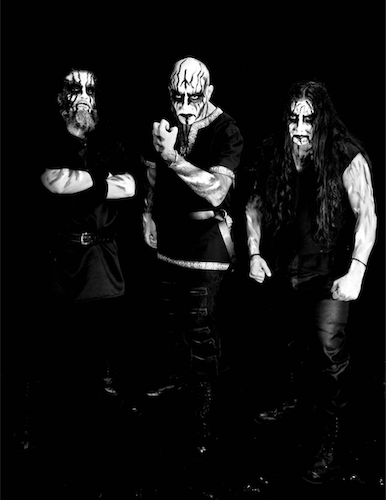
Mi è capitato tra le mani il disco di una band cubana, la descrizione diceva “pagan black metal”. La curiosità era tanta, ma è stata ancor di più la sorpresa nell’ascoltare un bell’album diretto e gagliardo con tematiche vichinghe, come di certo non ci si aspetterebbe da un gruppo proveniente da un’isola famosa per sole, spiagge e divertimento e non per la scena metal. Quale migliore occasione, quindi, per intervistare Karl, voce e manager degli Hrafnsmerki? Con lui si è parlato del fascino dell’Europa metallara, ma anche d’ispirazione e della scena cubana che sì, esiste ed è più che viva. Che bello scoprire queste realtà e dar loro l’opportunità di farsi conoscere!
– SCROLL DOWN FOR ENGLISH VERSION! –
UN GRANDE RINGRAZIAMENTO A MARZIA VETTORATO PER LA TRADUZIONE DELL’INTERVISTA.
Benvenuti sulle pagine di Mister Folk! Suonate pagan black metal e provenite da Cuba: voglio sapere tutto su come e perché è nata la band. Mondo vichingo e Cuba, difficile immaginare questo connubio. Come vi siete avvicinati a quel mondo e alla musica a esso legata?
Karl, voce e manager: Prima di tutto: un saluto dalle lontane terre del sole eterno. Per rispondere alla prima domanda, inizierò parlando delle mie prime ispirazioni, che sono stati i miti e le leggende del Nord Europa: sono sempre stato attratto da questo tema, le incredibili conquiste del popolo danese, norvegese e svedese verso l’Ovest e le loro antiche credenze pagane. Ciò che ha poi completato le mie influenze, e mi ha portato a prendere la decisione di fondare la band, è stato il Norwegian Black Metal e le band della prima e della seconda ondata: Burzum, Darkthrone, Emperor, Satyricon, Immortal, Windir, Kampfar, Enslaved. In questo modo, sono entrato in contatto con questo mondo.
Il nome deriva dallo stendardo del corvo utilizzato da diversi capi vichinghi: fin dal nome avete deciso di mettere le cose in chiaro. Avevate una lista di nomi “vichingheggianti” e poi avete scelto Hrafnsmerki? Perché questa scelta?
La mia intenzione era quella di creare una band con un nome che derivasse dalle antichi radici dell’era vichinga: cosa c’era di meglio che sceglierne uno che rappresentasse Allfather (appellativo per Odino, N.d.T.) in guerra? Hrafnsmerki è l’unione di due parole in lingua norrena: hraf (corvo) e merki (vessillo). Avevo pianificato di scegliere il nome dalla mitologia norrena, il nome di una terra o di una divinità, ma alla fine ho deciso che la band si sarebbe chiamata come il vessillo leggendario.
Parliamo della vostra discografia, iniziando dal disco di debutto del 2022.
Corretto, abbiamo pubblicato il nostro album di debutto nel settembre 2022, dopo aver completato il processo di mixing e mastering. Inizialmente è stato pubblicato su diverse piattaforme come una produzione indipendente, poi nel 2023 abbiamo trovato un accordo con l’etichetta discografica Master Of Kaos, la quale ha esteso la promozione del disco su altre piattaforme e ha diffuso il nostro lavoro in forma fisica, così come è noto.
Ora è il turno dell’EP Die With Honour For The Way Of Wotan, lavoro uscito in digitale e in vinile 7”.
L’EP Die With Honour For The Way Of Wotan è una compilation di due brani, Cold Mountains Above The Clouds e la traccia che dà il titolo all’EP stesso, ed è stato pubblicato come vinile in formato 7”, il quale ha avuto un ottimo riscontro dai fan della band e della stessa etichetta.
Infine avete pubblicato ben 3 split, sempre con la Master Of Kaos Production.
Il primo split pubblicato è stato The Pagan Trinity, composto da tre band pagan black metal: Helgrind, Nastrond e Hrafnsmerki. L’idea era quella di mettere insieme queste tre band cubane in uno split per rappresentare il pagan metal dell’isola a livello internazionale. Poi abbiamo lo split successivo, Blog Og Frost, che ha rappresentato un grande onore per noi, dato che abbiamo avuto la possibilità di collaborare con la band norvegese Ormabol. Infine, l’ultimo split, The Two Words Collide, con i thailandesi Sarga: le due band hanno realizzato un brano in collaborazione, ed è stato davvero un ottimo lavoro, poiché la nostra musica ha potuto essere ascoltata anche in Asia.
State lavorando a qualcosa di nuovo? Sarà sempre a tema vichingo?
Al momento stiamo lavorando a un secondo album, che si baserà su un tema leggermente diverso rispetto al precedente. Questo lavoro sarà incentrato sull’opera di Wagner The Ring Of The Nibelung: abbiamo già fatto qualcosa a riguardo nel nostro primo full-length, con il brano Ride Of The Valkyries.
Come nasce la vostra musica? C’è prima l’intuizione musicale, oppure si parte dal testo? Inoltre, come si fa a scrivere una Cold Mountains Above The Clouds quando fanno 30 gradi?
All’inizio, iniziavamo creando dei riff di chitarra, e sulla base di essi scrivevamo dei testi che potessero ben adattarsi al brano che si stava componendo. Qualcosa di completamente diverso rispetto a ciò che stiamo componendo per il secondo album, perché ora partiamo da un’intuizione, ovvero, siamo guidati da ogni leggenda contenuta nell’opera di Wagner, per ricreare un brano basato sulla trama. Cold Mountains Above The Clouds è una canzone ispirata alle battaglie e ai combattimenti vichinghi per il potere locale: tutto ciò che accadde nelle lande ghiacciate e sulle montagne, da qui il titolo.
Da quel che ho visto online, direi che la scena metal cubana è divisa per lo più in tre zone: Havana, Santa Clara e Pinar Del Rio: è così? Ci sono locali per esibirsi e festival in queste zone?
Nor Hammer, chitarre: Indubbiamente, queste tre aree del paese hanno avuto grande importanza per la scena metal cubana. L’Havana ha avuto grandi festival metal con band nazionali e internazionali: i più noti sono stati il 666 Fest, o il Brutal Fest. Santa Clara è una città di riferimento per il pubblico metal, dal momento che uno dei principali festival, il Metal City, si tiene lì: data la sua posizione strategica, situata al centro dell’isola, esso attira fan da tutte e tre le aree geografiche (ovest, centro ed est). Dal canto suo, Pinar del Rio è una provincia con una grande cultura rock e metal, in particolare la sua città principale, dove si esibiscono band di calibro nazionale e nella quale ogni anno viene organizzato un festival chiamato Pinar Rock. Ma non sarebbe corretto tagliare fuori altre città o province che hanno fatto davvero la storia con i loro festival, le loro band e, in generale, la loro scena. Per esempio, possiamo parlare della città di Holguín e del suo festival chiamato Metal HG che ha avuto un grande peso, in particolare all’interno della scena metal più estrema, dato che vi hanno preso parte molte delle band extreme metal dell’isola, soprattutto provenienti dalla parte Est. Abbiamo anche il Rockasol a Cienfuegos e l’Atenas Rock a Matanzas; alcuni begli eventi e festival sono organizzati anche a Camagüey, Sancti Spíritus, Ciego de Ávila and Puerto Padre. Anche la città di Bayamo organizza un festival, chiamato Rock de la Loma.
Da cubani, come vedete l’Europa del metal? Rappresenta per voi un sogno, tipo “viaggio in Norvegia alla scoperta dei luoghi che hanno segnato il black metal”, o vi interessa di più l’idea di suonarci?
Per ogni metallaro cubano, l’Europa rappresenta il palco d’élite, quello su cui tutti sognano di presentare la propria proposta musicale, e in questo anche gli Hrafnsmerki non fanno eccezione. Viviamo a distanza dalle grandi scene europee: per molteplici ragioni traiamo ispirazione da Norvegia, Finlandia, Germania e Svezia, e da quel continente provengono le nostre influenze più grandi. Inutile dire che sarebbe un sogno intraprendere un viaggio in Norvegia e scoprire i luoghi che hanno fatto la storia del black metal. Sono sicuro che ogni metallaro cubano a cui venisse fatta questa proposta proverebbe una grandissima emozione, anche solo nell’immaginarlo. Rendere tutto ciò realtà sarebbe un’impresa all’interno dell’isola, e segnerebbe un vero e proprio passaggio da “prima” a “dopo” in tutta la scena nazionale. Una realtà che, per varie circostanze, diventa comunque troppo distante da noi.
Com’è essere metallari a Cuba? Avete mai avuto problemi per capelli lunghi e maglie con le copertine dei vostri gruppi preferiti? Magari può sembrare una domanda stupida, ma l’immagine che si ha della vostra terra – a causa soprattutto di film e serie tv – è quella di un’isola bella con un mare fantastico e musica da ballare con donne sexy.
Si può dire che ogni regione e nazione abbia la propria cultura e la propria idiosincrasia, determinate da molteplici fattori che hanno forgiato la loro identità nel corso della storia. L’ America Latina, e Cuba in particolare, viene mostrata da tutti i media attraverso l’immagine di un paradiso tropicale, in cui predominano il sole, la danza e i colori. In realtà il contesto culturale in questo paese è molto lontano dagli elementi che definiscono il black metal e la cultura metal. Essere metallari qui non è certo comune, siamo una rarità, il che, dal nostro punto di vista, è motivo di orgoglio. Cuba è un potenziale esempio di quello che è il vero concetto di underground: la promozione e la popolarità di ciò che facciamo e amiamo sono nulle. Qui tutto viene fatto perché ci si sente di farlo, dato che la vanità e i benefici materiali non esistono. Gli anni ‘80 e i primi anni ‘90 sono stati un periodo in cui la tolleranza verso questa sottocultura era minore, i metallari erano visti piuttosto male in questa nazione.
Siamo alla conclusione dell’intervista. Vi ringrazio per la disponibilità e sono felice di avervi ospitato su queste pagine. Potete concludere la chiacchierata come meglio preferite.
È stato un vero piacere per noi partecipare a questa intervista per Mister Folk. Grazie a te.

ENGLISH VERSION:
Welcome on Mister Folk! Pagan black metal from Cuba: I want to know all about how and why the band was born. The Viking world and Cuba: it’s quite hard to imagine this bond. How did you get in touch with that world and the related music?
Karl, vocals and manager from Hrafnsmerki: First of all. Greetings from the distant lands of the eternal sun. To answer this first question I will begin by talking about my first inspirations, which were the myths and legends of northern Europe, I always felt attracted to this theme, the incredible conquests of the Danes, Norwegians and Swedes towards the west and their ancient pagan beliefs. What later completed my influences to make the final decision to create the band was knowing Norwegian Black Metal, the bands of the first and second wave such as: Burzum, DarkThrone, Emperor, Satyricon, Immortal, Windir, Kampfar, Enslaved. In this way I came into contact with this world.
Your name comes from the crow banner used by several Viking leaders: you decided to set the record straight starting from the name. Did you have a list of “Viking – style” names, then opt for Hrafnsmerki? What is the reason behind this choice?
My intention was to create a band under a name that came from the ancestral roots of the Viking era and what better option than to choose a name that represented Allfather in war. “Hrafnsmerki” is the conjugations of two words in Old Norse: Hraf (raven) and Merki (banner). I had planned to choose names from this Norse mythology, some land or name of some god, but finally I decided that the band would be named after the legendary banner.
Let’s talk about your discography, starting with your debut album, released in 2022.
That’s right, we launched our debut in September 2022 after having completed the mixing and mastering process. Initially the album was released on several platforms as independent, then in 2023 we reached an agreement with the Master Of Kaos record label, which would expand the promotion of the album on other platforms and would offer our work physically, as is already known.
Now, tell me more about your EP Die With Honour For The Way Of Wotan, which was released in digital and 7” vinyl.
The EP Die With Honor For The Way Of Wotan was a compilation of two songs from the album, Cold Mountains Above The Clouds and the song that gives its name to the EP, released as a vinyl 7” format, which was very well received by the fans of the band and the record label.
Lastly, you also took part in 3 split albums, always under the Master Of Kaos Production.
The first split released was The Pagan Trinity, composed of three Pagan Metal bands: Helgrind, Nastrond and Hrafnsmerki. The idea was to bring together these three Cuban bands in a split to represent the island’s pagan metal on an international scale. Then the next split “Blog Og Frost” is produced, which was a great honor for us since we had the opportunity to work with the Norwegian band Ormabol. And the last split released The Two Words Collide, was with Sarga from Thailand: the two bands made a song in collaboration, and it was a really great job, since our music could be heard in Asia.
Are you working on something new? Will it be Viking – themed as well?
We are currently working on a second album, which will be based on a slightly different theme than the first. This second musical work is focused on the classic work of the German musician Richard Wagner The Ring Of The Nibelung. Wealready did something about it in our first full-length, with the song Ride To The Valkyries.
How do you make your music? Do you start from an intuition, or do you begin from the lyrics? Moreover, how is it possible to write a song named Cold Mountains Above The Clouds, when there are 30°C outside?
In our beginnings we started by creating guitar riffs, and based on these we wrote lyrics that matched the song that was being composed. Something totally different from what is being composed for this second album, because now we start from an intuition, that is, we are guided by each legend that Wagner’s work contain, to recreate a song based on the plot. Cold Mountains Above The Clouds is a song based on regional Viking combats and battles for power. Everything happened in the frozen lands and in mountainous places, hence the name of the song.
According to what I read online, it looks like the Cuban metal scene is mainly divided into 3 main areas: Havana, Santa Clara and Pinal Del Rio: is it really like that? Are there venues and festivals in those cities?
Nor hammer, guitar from Hrafnsmerki: Certainly those three parts of the country have had a lot of prominence in the Cuban Metal scene. Havana has had great Metal festivals, with national and international bands: the best known have been the 666 Fest, or the Brutal Fest. Santa Clara is a reference city in Cuba for the metalhead public since one of the most important festivals in the country, the Metal City, is celebrated there: given its strategic position, located in the very center of the island, it attracts fans from all three geographic regions (West, Center and East). For its part, Pinar del Río is a province with a great Rock and Metal culture, and especially its main city where national caliber bands play and a festival, called “Pinar Rock”, is annually organized. But it wouldn’t be fair to leave out other cities or provinces that have really made history with their festivals, their bands and their scene in general. We could talk for example about the Holguín city and its Metal HG festival, which has had a great role and especially within the most extreme genres of metal, given that several of the most extreme bands on the island, and mainly from the East, have participated in it. We also have the Rockasol in Cienfuegos and the Atenas Rock in Matanzas; good festivals and events are also organized in Camagüey, Sancti Spíritus, Ciego de Ávila and Puerto Padre. Bayamo organizes a festival called “Rock de la Loma”.
As Cubans, how do you see the Europe of metal? Does it look like a dream to you, something like “a journey to Norway to discover the key places of black metal”, or are you more interested in playing there?
For every Cuban metalhead, Europe is the élite stage where they would dream of presenting their proposal and this of course does not exempt Hrafnsmerki. Here we live in the distance the great scenes of Europe: Norway, Finland, Germany, Sweden, we draw inspiration from there for many reasons, our greatest influences come from that continent. Needless to say, it seems like a dream to travel to Norway and discover those places that have marked the history of Black Metal. We are sure that any Cuban metalhead who is made this offer would feel an immense emotion just by imagining it. Making it a reality would be a feat within the Island and would mark a before and after for the national scene. A reality that, due to different circumstances, becomes too distant for us.
What it’s like to be a metalhead in Cuba? Have you ever been into trouble because of long hair and band shirts showing the covers of your favourite albums? Perhaps it may sound like a silly question, but the imagination about your country – mostly from TV series and movies – is that of a beautiful island, with a fantastic sea and music to dance on with sexy girls.
We can say that each region or country has its own culture and idiosyncrasy determined by multiple factors that have shaped its identity throughout history. Latin America and Cuba in particular is promoted by all media with that image of a tropical paradise, where dance, color and the sun predominate. Actually the social context in this country is very distant from the elements that define black metal and metal culture. Being a metalhead here is not something common, we are a rarity, which, from our point of view, is another reason for pride. Cuba is a latent example of the true concept of the underground, promotion or popularity within what we like and do is null. Here everything is done because we feel it, since vanity or material benefits do not exist. The 80s and early 90s was a time of less tolerance with this subculture, metalheads were very poorly seen in this country.
We are at the end of the interview. Thank you for your friendliness, I am glad to have you on these pages. You can finish our chat the way you prefer.
It was a great pleasure for us to have participated in this Mister Folk interview, thank you too.

 Mister Folk
Lascia un commento